
Introduction:
Forex trading in 2024 can be both exhilarating and challenging, especially when navigating the volatile markets that characterize the forex landscape. By mastering these forex trading strategies, you can harness the power of leverage in forex trading, manage risks effectively, and ultimately achieve success in the dynamic world of forex.
This comprehensive guide is designed to be your trusted companion, offering practical strategies and insights tailored to help you thrive amidst market turbulence.
We’ll delve into:
Table of Contents
Understanding Volatility in Forex Markets
What is Volatility?
Factors Influencing Volatility
Impact of Volatility on Forex Trading
Key Risk Management Strategies
Setting Stop-Loss Orders
Position Sizing
Hedging Techniques
Diversification in Forex Trading
Benefits of Diversifying Trades
How to Choose Currency Pairs
Managing a Diversified Portfolio
Essential Strategies for Volatile Markets
Trend Following
Swing Trading
Scalping
The Psychological Aspect: Mastering Emotions in Forex Trading
Importance of Emotional Control
Techniques to Manage Stress and Anxiety
Developing a Trading Plan and Sticking to It
Conclusion
Recap of Key Points
Final Thoughts on Successful Forex Trading
Understanding Volatility in Forex Markets
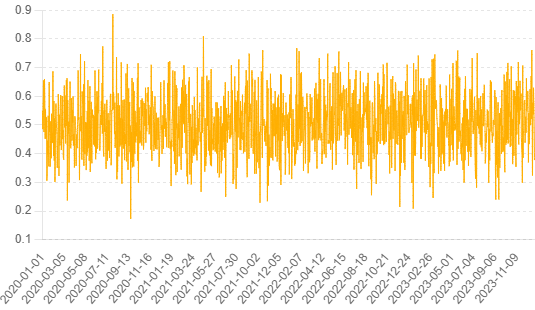
Before delving into strategies, it’s important to understand the concept of volatility in Forex trading. Volatility acts as the heartbeat of the market, measuring the intensity and frequency of price movements. Where volatility presents profit opportunities, but it also amplifies risk, making risk management essential.
LeveragingYour Forex Trades Wisely
Leverage is a powerful tool in Forex, amplifying both potential gains and losses. With leverage, even a small amount of capital can control larger positions. However, it’s crucial to use leverage judiciously, especially in volatile markets, to avoid overexposure and mitigate risk.
What Is Leverage In Forex Trading?
Think of leverage as a loan, except the bank is your exchange.
Let’s say you have $1000.
You want to trade with $1500.
If you put up a fraction of $1500 as collateral for the exchange to lend you the full amount.
Leverage is simply how much collateral you put up for a position.
More collateral = more margin = less leverage.
Less collateral = less margin = more leverage.
In essence, it’s taking a loan from an exchange (with varying degrees of collateral) usually to put on a greater position size than the amount on your account.
Crucially, leverage affects your collateralisation (and therefore your liquidation price), not the position size itself.
For example, If Mark buys 1000 contracts of BTC/USD perpetual swaps at 2x leverage, and Jane buys the same 1000 contracts of BTC/USD perpetual swaps at 10x leverage, all else equal, their gains and losses will mirror each other because it’s the same 1000 contracts long trade.
The leverage affects the liquidation price of that 1000 contract position, not the PnL.
So whether you’re long 1x or 5x doesn’t matter for the most part. It is the position size that dictates the PnL.
There’s some nuance here with cross versus isolated margin as well as risk limits, but we’ll dabble in that later.

Key Risk Management Strategies
Effective risk management is the cornerstone of successful forex trading, particularly in volatile markets where price swings can be rapid and unpredictable. Here are some strategies to safeguard your capital:
1. Implementing Stop-Loss Orders
A stop-loss order is a fundamental tool in risk management. It serves as your safety net in volatile Forex markets. It allows you to preset the price at which your trade will automatically close, limiting potential losses. By enforcing disciplined trading practices, stop-loss orders prevent emotional decision-making during forex market turbulence and protect your account from significant drawdowns. Traders often set stop-loss orders based on technical levels or predefined risk thresholds, aligning with their overall trading strategy and risk tolerance.
2. Optimal Position Sizing
Proper position sizing is important for managing risk effectively in Forex trading. It involves determining the appropriate amount of capital to risk on each trade relative to your account size. Adhering to conservative risk management principles is key, such as risking no more than 1-2% of your account balance per trade. This approach helps safeguard your capital against adverse market movements and ensures longevity in the market by preserving capital during periods of volatility. By calculating position sizes based on stop-loss levels and desired risk-reward ratios, traders can maintain a balanced risk exposure across their portfolio. Read this article to master leverage and position sizing to succeed in Forex trading.
3. Diversification Across Currency Pairs
Diversifying your trades across different currency pairs is a smart way to lower risk and protect yourself from sudden market swings. The Forex market can be volatile, with currencies reacting sharply to economic news, geopolitical shifts, or central bank decisions. By spreading your investments across several currency pairs, you’re less vulnerable to adverse movements in any single currency. This helps keep your overall portfolio more stable and reduces the impact of unexpected events.
4. Utilizing Hedging Strategies
Hedging is another risk management technique employed by Forex traders to protect against potential losses from adverse market movements. It involves opening positions that offset the risk of existing positions in the portfolio. For example, if a trader holds a long position in a currency pair, they may open a corresponding short position in a correlated currency pair to hedge against currency fluctuations. Hedging strategies can be implemented using derivatives such as options or futures contracts, offering flexibility in managing risk exposure while maintaining overall market exposure. Traders must carefully assess the costs and benefits of hedging strategies based on market conditions and their risk management objectives.
Harnessing Technical Analysis in Volatile Markets
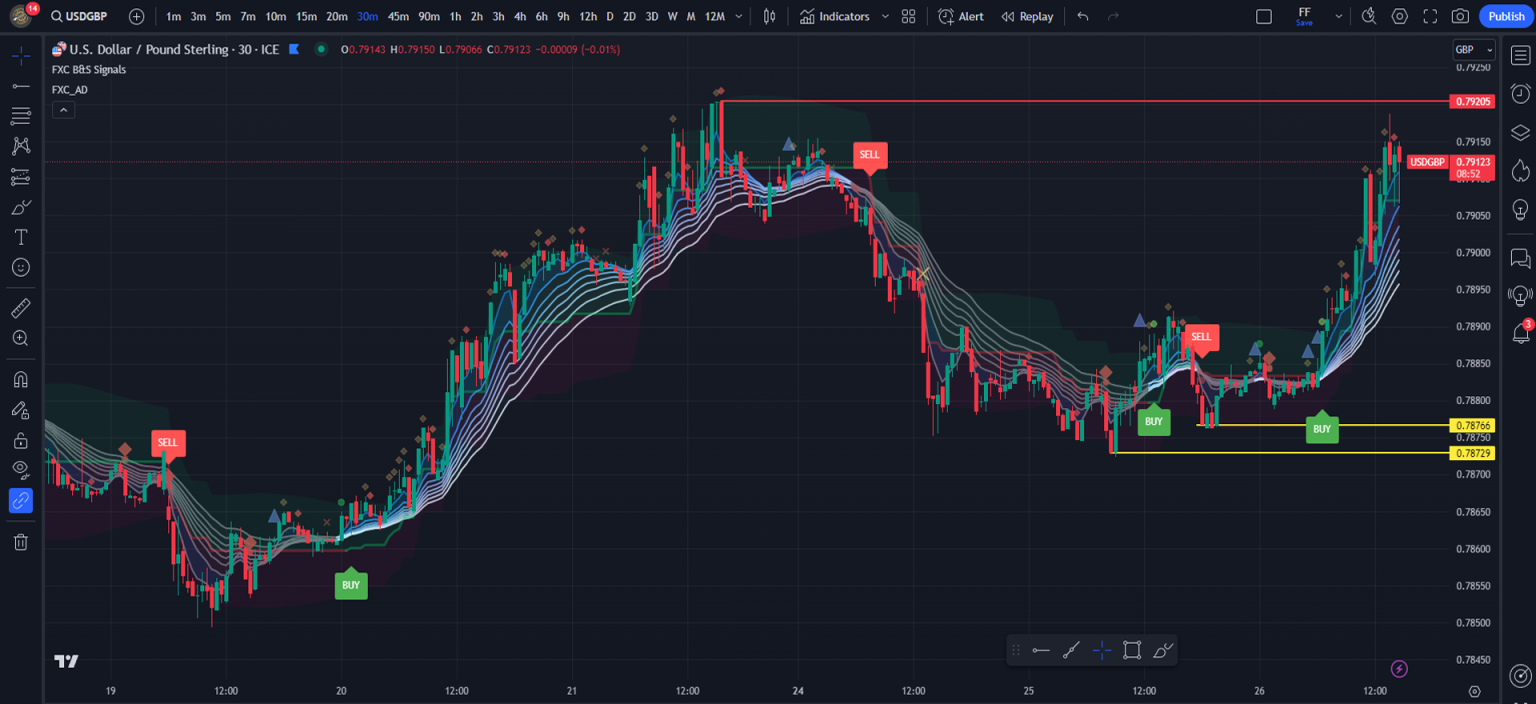
Technical analysis equips traders with tools to interpret price charts and identify patterns that signal potential market movements. In volatile markets, technical analysis plays a vital role in anticipating and reacting to price fluctuations:
1. Utilizing Moving Averages
Moving averages smooth out price data over a specified period, highlighting trends and identifying potential entry and exit points. In volatile forex markets, moving averages help filter noise and reveal underlying price trends. Shorter-term moving averages, such as the 20-day or 50-day, are sensitive to rapid price changes, offering timely insights into short-term market dynamics. Conversely, longer-term averages like the 100-day or 200-day provide broader perspectives on market direction. By analyzing the interaction of different moving averages and their relationship with price action, traders gain clarity on trend strength and make well-founded trading decisions.
2. Bollinger Bands for Volatility Insights
Bollinger Bands measure volatility by plotting standard deviations around a moving average. Wide bands indicate increased volatility, suggesting potential breakout or reversal opportunities. Traders use Bollinger Bands to gauge market volatility and adjust their strategies accordingly.
3. RSI for Momentum Confirmation
The Relative Strength Index (RSI) is a momentum oscillator that measures the speed and change of price movements. In volatile markets, RSI helps traders identify overbought or oversold conditions, guiding entry and exit decisions based on market momentum.

Fundamental Analysis: Gauging Market Forces
Fundamental analysis focuses on economic, geopolitical, and central bank factors influencing currency values. In volatile forex markets, understanding fundamental drivers can provide a broader perspective on market trends and potential trading opportunities:
1. Monitoring Economic Indicators
Key economic indicators, such as GDP growth, inflation rates, and employment figures, impact currency valuations. Traders analyze economic data releases to gauge economic health and anticipate market reactions to unexpected news.
2. Central Bank Policies and Market Sentiment
Central bank decisions on interest rates, monetary policy, and economic stimulus programs influence currency markets. Traders closely monitor central bank statements and policy meetings for insights into future market direction and sentiment shifts.
3. Geopolitical Events and Market Volatility
Geopolitical events, such as elections, trade negotiations, and geopolitical tensions, can trigger market volatility. Traders stay informed about global developments that may impact currency prices, adjusting their strategies in response to unfolding events.
Effective Trading Strategies for Forex Volatile Markets
In forex volatile markets, adaptability and agility are key to seizing opportunities while managing risk. Here are proven trading strategies to navigate turbulent market conditions:
1. Breakout Trading Strategies
Breakout trading involves entering trades when price breaks through key support or resistance levels. Volatile markets often experience sharp price movements, offering breakout opportunities for traders to capitalize on momentum and volatility.
2. Scalping: Profiting from Short-Term Price Swings
Scalping is a short-term trading strategy in forex trading where forex traders capitalize on small price fluctuations. In volatile markets, scalpers execute rapid trades to exploit intraday price movements, aiming for quick profits with tight risk management.
3. Swing Trading: Capturing Medium-Term Trends
Swing trading focuses on capturing medium-term price swings over several days or weeks. Traders analyze technical and fundamental factors to identify trends and enter positions with favorable risk-reward ratios amidst market volatility.
4. News Trading: Reacting to Market Catalysts
News trading involves trading based on economic news releases and geopolitical events. Traders anticipate market reactions to news that impacts currency prices, executing trades swiftly to capitalize on volatility and market sentiment shifts.
The Psychological Aspect: Mastering Emotions in Forex Trading
Trading in volatile markets tests your emotional resilience. Here are psychological tips to maintain composure and discipline:
1. Cultivate Emotional Control
Volatile markets evoke fear and greed, leading to impulsive decisions. Stay focused on your trading plan, manage emotions, and avoid reacting hastily to market fluctuations.
2. Stick to Your Trading Plan
A well-defined trading plan outlines your goals, strategies, and risk management rules. Adhere to your plan consistently, evaluate trade outcomes objectively, and make adjustments based on lessons learned from each trade.
3. Continuous Learning and Improvement
Every trade offers an opportunity to learn and refine your trading skills. Keep a trading journal, analyze your trades, and seek to improve your strategies based on market insights and evolving market conditions.

Conclusion: Navigate Forex Volatility with Confidence
In conclusion, mastering Forex trading in volatile markets requires a blend of knowledge, skill, and discipline. By understanding market volatility, employing effective risk management strategies, harnessing technical and fundamental analysis, and adopting adaptive trading strategies, you can navigate turbulent market conditions with confidence and resilience.
Remember, Forex trading is a journey of continuous learning and adaptation. Make volatility an opportunity for growth in forex trading, refine your trading skills over time, and cultivate a disciplined approach to achieve long-term success in Forex trading.
Join our lively Discord community now! Secure your spot among the first 700 members, and gain early access to exclusive updates and valuable insights on Forex trading